
Caring for Someone with Cancer: A Role Built on Love, Organization, and Support
El cuidador es la persona que acompaña al paciente en muchas de sus necesidades diarias: asistir a citas médicas, ayudar con medicamentos, coordinar traslados, observar cambios físicos o emocionales y brindar apoyo en momentos de incertidumbre. Su papel no reemplaza al equipo médico, pero sí es una parte fundamental del proceso.
Caring for someone does not mean doing everything alone. It also means knowing when to ask for help, how to organize responsibilities, and when it is time to rest. No one can provide their best support when they are completely exhausted. Even a phone needs to recharge, and caregivers do too.
Before, During, and After the Appointment: How to Make the Most of Every Visit
Oncology appointments can bring up many questions. Bringing a written list can help you remember important topics you want to discuss. It is also helpful to keep notes about medications, recent symptoms, changes in appetite, pain, fatigue, fever, side effects, or anything new the patient may be experiencing.
After the appointment, the caregiver can help review the medical instructions, confirm medication schedules, and organize the next steps. Clear communication with the healthcare team helps patients and caregivers make better-informed decisions.


Listening Is Also a Form of Care
It is not always easy to know what to say to someone with cancer. Many times, what matters most is not finding the perfect words, but being present, listening without judgment, and allowing the patient to express fear, anger, sadness, or hope.
Try not to minimize what the person is feeling with phrases like “everything will be fine” when you do not know how the process will unfold. It is often better to say, “I’m here with you” or “How can I help you today?” Honesty, when shared with kindness and respect, can offer more comfort than empty promises.
To Care Well, You Also Need to Care for Yourself
Caregivers may feel tired, worried, irritable, or overwhelmed. These emotions are common and do not mean there is a lack of love. Caring for someone with cancer can change daily routines, work, rest, family life, and emotional well-being.
Getting enough sleep, eating well, taking breaks, talking with someone you trust, and asking for support are all necessary steps. Self-care is not selfish; it is preventive maintenance. And yes, humans should probably come with a “low battery” warning too.


Nutrition and Cancer: Small Choices That Can Help
During treatment, some people may experience changes in appetite, nausea, fatigue, changes in taste, or difficulty eating. Nutrition should be adapted to each patient, their diagnosis, treatment, and overall medical condition.
Caregivers can help by offering small meals, following medical recommendations, and avoiding restrictive diets unless they have been prescribed by a qualified healthcare professional. If the patient experiences weight loss, persistent vomiting, diarrhea, severe constipation, or difficulty swallowing, it is important to contact the healthcare team.
Warning Signs That Should Not Be Ignored
Some cancer treatments may cause side effects. Not all patients experience them in the same way, and not every side effect requires urgent care. However, some warning signs should be reported to the healthcare team.
Fever, severe pain, shortness of breath, bleeding, persistent vomiting, severe diarrhea, dehydration, confusion, significant weakness, or sudden changes should be reported immediately. When in doubt, it is always better to ask. In oncology, “let’s wait and see” is not always the best plan.

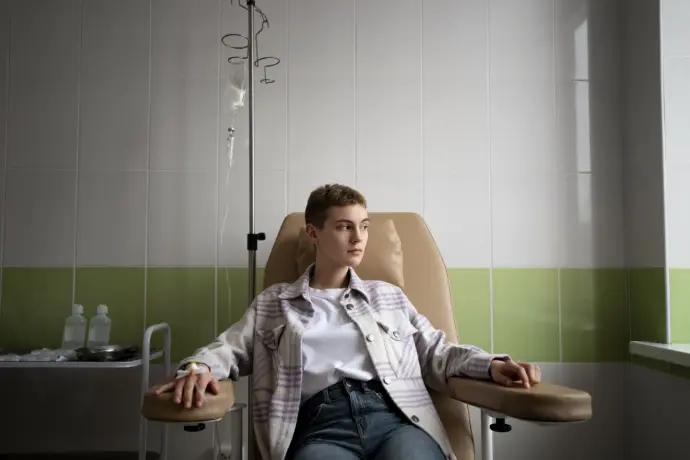
Cancer Is Also an Emotional Experience
A cancer diagnosis can bring fear, anxiety, sadness, anger, or uncertainty. These reactions are human. Patients do not need to appear strong all the time or carry what they feel on their own.
Caregivers can help by listening, respecting moments of silence, going with the patient to appointments, and creating calm, supportive spaces. If emotional distress begins to interfere with sleep, eating, relationships, or following treatment, it may be helpful to seek professional support.
No One Has to Do Everything Alone
Many people want to help but may not know how. Caregivers can make it easier by asking for specific support, such as preparing a meal, going with the patient to an appointment, helping with childcare, grocery shopping, picking up medications, or simply visiting the patient.
Accepting help does not mean losing control. It means building a support network. In long care processes, having people you can count on is not a luxury; it is a practical and emotional survival strategy.